| Domitian |
 


  |
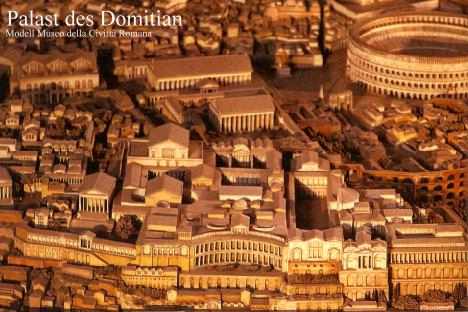 Domitian,
mit vollem Namen Titus Flavius Domitianus (51-96 n. Chr.), römischer Kaiser
(81-96 n. Chr.). Domitian wurde am 24. Oktober 51 in Rom geboren. Er war
der zweite Sohn von Kaiser Vespasian sowie Bruder und Nachfolger von Kaiser
Titus. In Germanien besiegte Domitian die Chatten (83) und begann mit
der Errichtung des Limes, des römischen Grenzwalles zwischen Rhein und
Donau. In Britannien dehnte er 84 die römische Herrschaft bis nach Schottland
aus, und im Osten drängte er die Daker 88 bis hinter die Donau zurück.
89 unterdrückte Domitian einen Aufstand des obergermanischen Statthalters
Antonius Saturninus. Die Verwaltung der Provinzen und die Rechtspflege
unter Domitian galten auch später noch als vorbildlich.
Domitian,
mit vollem Namen Titus Flavius Domitianus (51-96 n. Chr.), römischer Kaiser
(81-96 n. Chr.). Domitian wurde am 24. Oktober 51 in Rom geboren. Er war
der zweite Sohn von Kaiser Vespasian sowie Bruder und Nachfolger von Kaiser
Titus. In Germanien besiegte Domitian die Chatten (83) und begann mit
der Errichtung des Limes, des römischen Grenzwalles zwischen Rhein und
Donau. In Britannien dehnte er 84 die römische Herrschaft bis nach Schottland
aus, und im Osten drängte er die Daker 88 bis hinter die Donau zurück.
89 unterdrückte Domitian einen Aufstand des obergermanischen Statthalters
Antonius Saturninus. Die Verwaltung der Provinzen und die Rechtspflege
unter Domitian galten auch später noch als vorbildlich.
Bei der Armee war Domitian beliebt, mit den Senatoren dagegen geriet er in Konflikt, und zwar vor allem wegen seiner absolutistischen Herrschaftsweise und dem von ihm behaupteten Gottkaisertum, das er durch den Titel dominus et deus ("Herr und Gott") zum Ausdruck brachte. 85 übernahm er schließlich noch das Amt des Zensors auf Lebenszeit und damit das Recht, den Senat zu kontrollieren. Nach dem Aufstand des Saturninus und vor allem während der letzten drei Jahre seiner Regierungszeit verfolgte Domitian die Senatsaristokratie, ließ viele Adlige wegen angeblichen Verrats hinrichten und konfiszierte deren Eigentum, um die ständig wachsenden Staatsausgaben zu decken. Am 18. September 96 wurde Domitian in Rom ermordet, als er einer Verschwörung in seiner engsten Umgebung zum Opfer fiel.
Domitian, full name Titus Flavius Domitianus (AD 51-96), Roman Emperor (AD 81-96), known primarily for his conflict with the Senate and the Roman aristocracy. Domitian was the second son of Emperor Vespasian and the brother of Emperor Titus, whom he succeeded. In Germany he defeated the Chatti (83) and began construction of the limes, a line of fortifications marking the Roman frontier between the Rhine and Danube rivers. In Britain, Roman control was extended north into Scotland by 84, and in eastern Europe an invasion of the Dacians was ended when they were forced back across the Danube in 88. In 89 Domitian suppressed a revolt led by Antonius Saturninus, Governor of Upper Germany.
Although popular with the army, Domitian was hated by the senators, who resented his attempts to dominate them and were especially angered by his adoption of the title dominus et deus ("master and god"). In 85 he made himself censor for life, which gave him the official right to supervise the Senate's behaviour. After Saturninus's revolt, and especially in the last three years of his reign, Domitian terrorized the aristocracy, executing many of them for supposed acts of treason and confiscating their property to help pay for his increasing expenses. On September 16, 96, he was murdered at the instigation of court officials and his wife Domitia.
Domiziano, Tito Flavio (Roma 51-96 d.C.), imperatore romano (81-96 d.C.). Secondogenito di Vespasiano, salì al trono alla morte del fratello, l'imperatore Tito. Fin dall'inizio la sua politica perseguì due scopi principali: da un lato fu improntata al rafforzamento dell'autorità imperiale, entrando quindi in conflitto con il senato e con l'aristocrazia, dall'altro, all'espansione territoriale. Sconfitti i catti sul Reno (83), iniziò la costruzione della linea di fortificazione lungo il confine dell'impero tra il Reno e il Danubio (vedi Limes). In Britannia estese il controllo romano fino alla Scozia (84); nell'Europa orientale ricacciò oltre il Danubio i daci (88). Nell'89 soffocò una rivolta capeggiata da Caio Senzio Saturnino, governatore della Germania superiore.
Nonostante il favore di cui godette presso l'esercito, Domiziano dovette fronteggiare la forte opposizione dell'aristocrazia senatoria, di cui egli cercò di ridurre il potere appoggiandosi all'ordine equestre ed estendendo il diritto di cittadinanza agli abitanti delle province. Dopo essersi attribuito il titolo di dominus et deus ("signore e dio"), nell'85 si proclamò censore a vita, carica che gli conferì ufficialmente il diritto di controllare l'operato del senato. Dopo la rivolta di Saturnino, e specialmente nel corso degli ultimi tre anni di regno, Domiziano, sempre più timoroso di congiure contro la sua persona, instaurò un clima di terrore, e fece giustiziare, sulla base di presunti atti di alto tradimento, numerosi membri dell'aristocrazia e persino della propria famiglia. I beni confiscati vennero utilizzati per pagare le crescenti spese. Fu assassinato su istigazione dei funzionari di corte, appoggiati anche dalla moglie Domizia Longina. A lui si devono il restauro di Roma dopo l'incendio dell'80, il completamento del Colosseo e la costruzione di numerosi nuovi monumenti quali, ad esempio, il palazzo imperiale sul Palatino e l'arco di Tito.
| Quelle: Microsoft Encarta |
 |